
- By: skdhall
- July 21, 2026
- 0 Comments
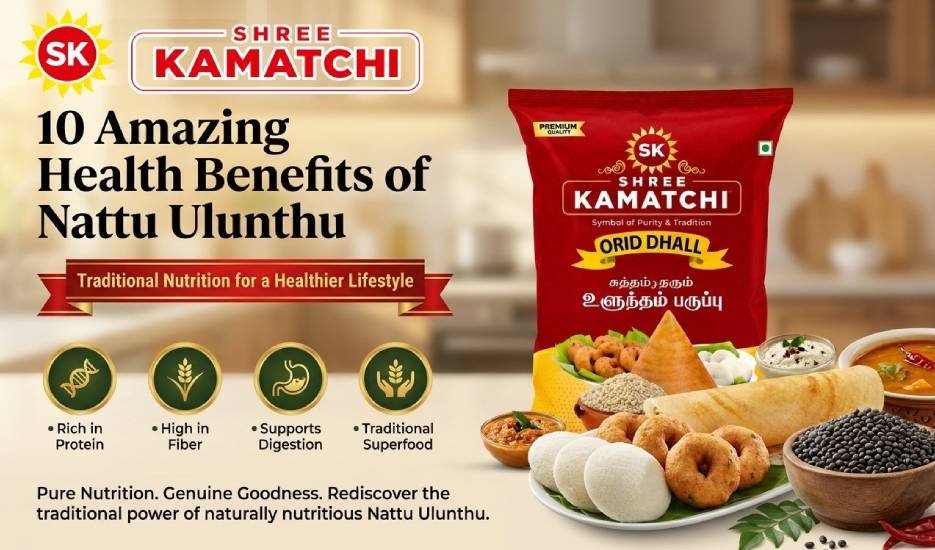
10 Amazing Health Benefits of Nattu Ulunthu (Traditional Urad Dal)
By SK Dhall — Bringing Authentic, Traditionally Sourced Dals to Your Kitchen
At SK Dhall, we hold onto a simple belief — the food our grandparents trusted decades ago is usually still the food worth eating today. Nattu ulunthu, known outside Tamil kitchens as black gram or urad dal, has quietly powered South Indian cooking for as long as anyone can remember.
Well before the word “superfood” existed, our grandmothers were soaking, grinding, and fermenting this small lentil into idlis, dosas, vadas, and payasams. What most people miss is that this everyday ingredient hides a surprisingly rich nutritional profile behind its humble appearance.
Here’s a closer look at ten reasons to give nattu ulunthu a permanent spot on your plate again.
1. Rich Source of Plant-Based Protein
Gram for gram, urad dal delivers a solid dose of protein, which makes it a natural pick for anyone following a vegetarian or vegan diet. Each serving lends real support to muscle repair, tissue building, and general upkeep of the body — one reason it’s traditionally cooked alongside rice, forming a pairing that rounds out the amino acid profile of the meal.
2. Supports Digestive Health
The fiber packed into nattu ulunthu keeps the gut working the way it should. It adds bulk to waste, moves things along the digestive tract more comfortably, and feeds the good bacteria that live in the gut.
It’s likely no coincidence that fermented preparations made from urad dal, like idli and dosa, are known for being easy on the stomach even for people with sensitive digestion.
3. Strengthens Bones and Joints
Calcium, phosphorus, and iron all show up in urad dal, and each plays its own role in keeping bones and joints sturdy. Eating it regularly, especially alongside other calcium-rich foods, may gradually support bone strength and help ease the joint stiffness that often creeps in with age.
4. Boosts Heart Health
Potassium and magnesium in urad dal help the body keep blood pressure in check and support the smooth functioning of blood vessels. Since it’s naturally low in fat but generous with fiber, this dal fits comfortably into a heart-conscious eating pattern, especially when it’s part of a well-rounded plate rather than eaten in isolation.
5. Helps Manage Blood Sugar Levels
Compared to many refined carbs, urad dal sits lower on the glycemic index, so it releases sugar into the blood at a gentler pace. Because of that gentler release, it steers clear of the sudden sugar surges that certain foods trigger, making it a sensible pick for anyone paying attention to their glucose numbers.
6. Improves Skin Health
Long before modern skincare products existed, urad dal paste was a staple in home beauty routines, used as a gentle scrub and face pack. Eaten regularly, its protein and antioxidants may also support the skin’s natural repair process from within, helping reduce blemishes and bring out a healthier glow over time.
7. Supports Hair Growth and Strength
Hair that feels stronger and looks healthier is often traced back to the iron and protein content packed into this humble dal. Some households apply urad dal paste straight onto the scalp as a nourishing hair remedy, while eating it regularly is thought to strengthen hair from the inside as well.
8. Aids in Nervous System Function
Folate, one of the B-vitamins found in urad dal, matters a great deal for a healthy nervous system. This vitamin supports the body’s process of building neurotransmitters, and having enough of it on board may be linked to a calmer mood and clearer thinking.
9. Provides Sustained Energy
Because urad dal brings carbohydrates, protein, and fiber together in one package, the body ends up releasing that energy slowly rather than all at once, avoiding the usual crash that follows a quick sugar spike. That’s a big part of why fermented urad dal dishes like idli make such a solid, energizing start to the day.
10. Supports Postpartum Recovery
Across many traditional homes, dishes made with urad dal are specifically prepared for mothers recovering after childbirth. The iron and protein it offers are thought to help rebuild nutrients the body loses during delivery, and its warm, easily digestible quality makes it gentle on a body that’s still healing.
Bringing Nattu Ulunthu Back Into Your Diet
What makes nattu ulunthu so easy to love is how effortlessly it slots into daily cooking. Leave it to soak through the night, grind it into a smooth batter come morning, and allow fermentation to work its magic before turning it into pillowy idlis or crispy dosas.
Stir it into sambar, or toss a roasted handful into chutneys for extra crunch. The trick is moderation — small, regular portions serve the body better than large amounts eaten all at once.
Like any food, urad dal works best in reasonable amounts, and anyone dealing with a specific health condition should check in with their doctor or a nutrition professional before making any big shift in their diet.
For most people, though, welcoming a traditional staple like nattu ulunthu back into daily meals is a small, easy step toward eating the way earlier generations did — close to home, close to nature, and genuinely good for the body.
Choose Quality, Choose SK Dhall
At SK Dhall, we treat every batch of nattu ulunthu with the care it deserves, protecting its natural nutrients, texture, and authentic flavor from farm to pack.
Browse our range of traditionally processed dals and let your family rediscover the taste and goodness that generations before us relied on.


